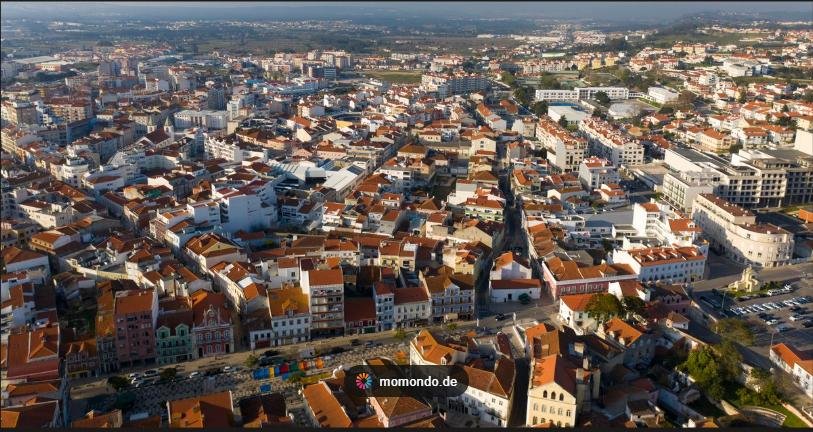
Have you ever considered living in Caldas da Rainha as a foreigner? This charming Portuguese town is a hidden gem that captivates newcomers with its stunning landscapes and rich culture. As you embark on this exciting journey, you’ll discover the vibrant community, delectable cuisine, and fascinating history that Caldas da Rainha has to offer. Whether you’re looking for an extended stay or a permanent home, understanding what to expect is essential.
Living in Caldas da Rainha as a foreigner offers a unique opportunity to experience rich cultural diversity. This charming town is known for its vibrant community, where locals and expatriates come together to celebrate various traditions. With influences from Portuguese, African, and Brazilian cultures, residents get to enjoy a tapestry of festivals and culinary delights.
Each year, Caldas da Rainha hosts numerous cultural events, such as the Festa das Cruzes, where breathtaking flower arrangements and colorful parades fill the streets. Surrounding towns also participate, showcasing the regional pride and collaboration that enhances the area’s cultural landscape.
Festivals: Check out local festivals to immerse yourself in the culture.
Workshops: Participate in craft workshops to learn traditional Portuguese arts.
Cultural Groups: Join cultural clubs for expatriates to share experiences and stories.
Cost of Living Explained
The cost of living in Caldas da Rainha is relatively affordable compared to larger Portuguese cities. Understanding the expenses involved is essential for any foreigner moving to the area.
Key expenses include:
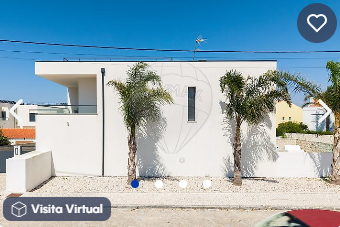
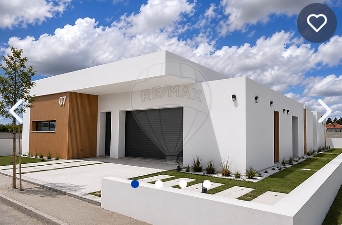
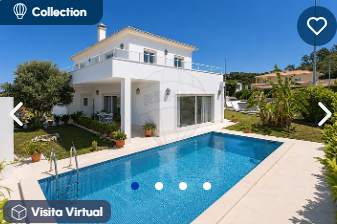
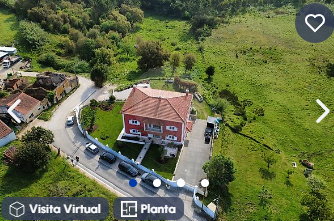
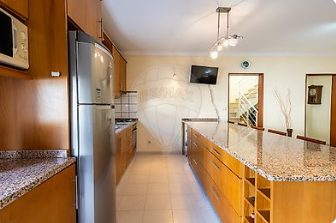
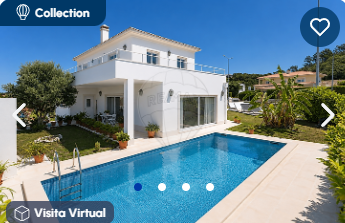
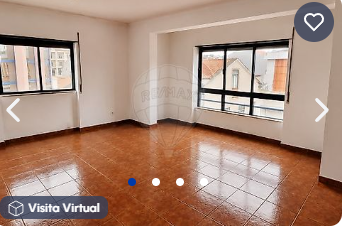
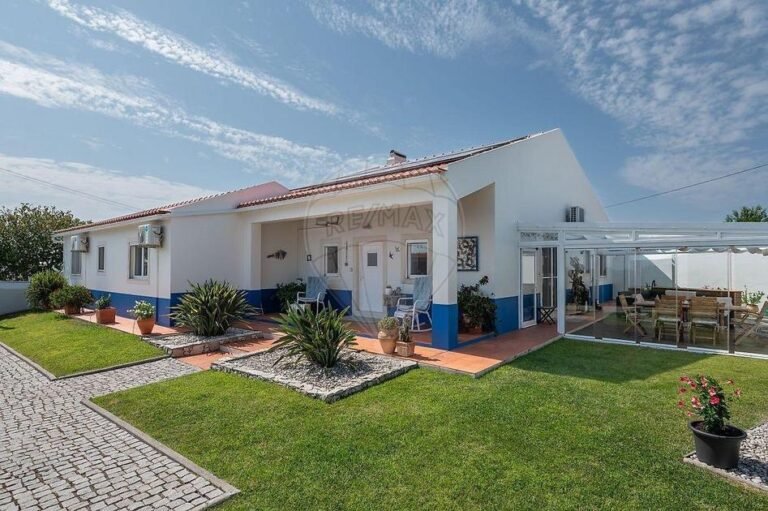
Housing: Rental prices are typically lower than in Lisbon and Porto, with a range of options from apartments to villas.
Utilities: Average costs for electricity, water, and internet are manageable, usually within the range of €100-€150 per month.
Groceries: Local markets provide fresh produce at reasonable prices, helping to keep food costs low.
Transportation: Public transport is affordable, and many locals use bicycles, making it eco-friendly.
Navigating Local Bureaucracy
For foreigners, navigating bureaucracy in Caldas da Rainha can be challenging but manageable with the right knowledge. Key documents you may need include:
NIF (Número de Identificação Fiscal): Obtaining a tax identification number is crucial for legal employment and banking.
Residency Permit: If staying long-term, apply for a residency permit that suits your situation.
Health Insurance: Familiarize yourself with the local healthcare system and secure health insurance coverage.
Local government offices can provide assistance, and many offer services in English to help foreign residents.
Finding Accommodation and Housing
Finding a place to live in Caldas da Rainha is an exciting adventure. Here are a few tips:
Online Listings: Use websites like Idealista and OLX to find available rentals.
Local Real Estate Agents: Consider contacting a local real estate agent to help navigate the housing market.
Neighborhoods: Research neighborhoods to identify which best suits your lifestyle, whether you prefer lively areas or quieter regions.
Understanding the Local Cuisine
Caldas da Rainha boasts a rich culinary scene that every foreigner should explore. Portuguese cuisine is known for its seafood, pastries, and hearty dishes. Some must-try foods include:
Bacalhau à Brás: A classic dish made with shredded cod, onions, and potatoes.
Caldeirada: A traditional fish stew that reflects the coastal influence of Portuguese cooking.
Pasteis de Nata: These famous custard tarts are a true delight and can be found at bakeries throughout the town.
You can also find international restaurants catering to diverse palates, making it easy to enjoy familiar foods.
Making Friends in a New Place
Building a social circle in Caldas da Rainha is easier than you might think. Here are ways to make friends:
Join Clubs and Organizations: Many clubs focus on hobbies, sports, and cultural exchanges.
Language Classes: Look for language classes to meet other expatriates while improving your Portuguese.
Social Media Groups: Engage with local expat groups on platforms like Facebook or Meetup.
Traveling Around Caldas da Rainha
Exploring Caldas da Rainha and the surrounding areas is a breeze. The town is well-connected by public transportation, and local attractions are within walking distance. Some recommended activities include:
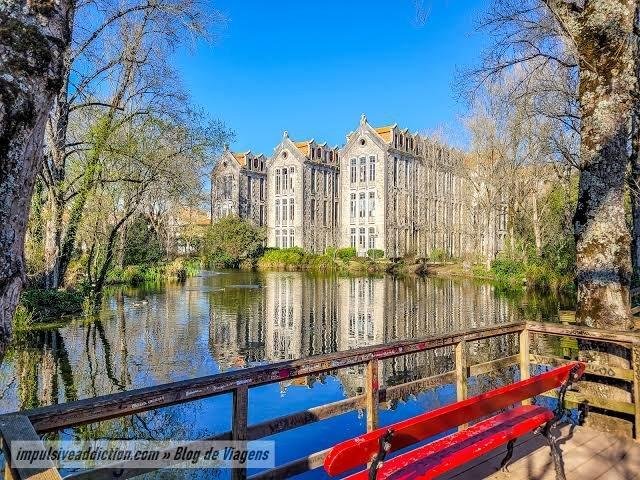
Visit the Parque D. Carlos I: Enjoy a stroll in this beautiful park, filled with gardens and ponds.
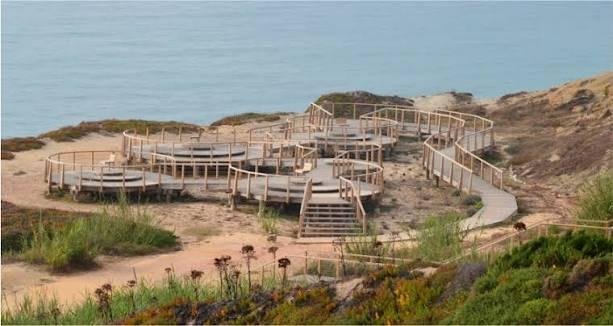
Nazaré Beach: A short drive away, it’s famous for its surfing and stunning views.
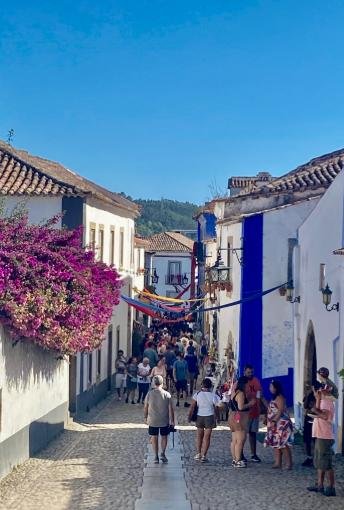
Obidos Castle: A historic castle nearby, perfect for a day trip filled with exploration.
Dealing with Language Barriers
While many locals speak English, learning some Portuguese can enhance your experience in Caldas da Rainha. Below are tips to help you overcome language barriers:
Practice Daily: Use language apps like Duolingo to practice regularly.
Speak with Locals: Engage in conversations with locals; most appreciate your effort to speak their language.
Language Exchange Events: Attend events where locals meet foreigners to practice language skills.
Embracing Community Events
Caldas da Rainha is known for its rich community spirit. Getting involved in community events can help you feel more at home. Look out for:
Local Farmers Markets: Every Saturday, you can buy fresh produce and meet local growers.
Concerts and Performances: Check out local theaters for cultural performances.
Charity Events: Participate in local charity drives and community service to give back while meeting new people.
Tips for a Smooth Transition
Transitioning to life in Caldas da Rainha can be seamless with a few tips:
Stay Open-Minded: Embrace cultural differences and try new experiences.
Connect with Other Expats: Share experiences and gain insight from those who have been in your position.
Take It Slow: Give yourself time to adjust to the new environment and routines.
FREE PROPERTY CONSULTATION
Looking for Property in Portugal?
Tell us what you are looking for and we will help you find
property in Caldas da Rainha, Óbidos, Foz do Arelho,
Praia d'El Rey, Peniche and the Silver Coast.
✓ Personalised assistance✓ Local property search✓ No obligation
Your information is private and will only be used
to respond to your enquiry.